Episode 57
Should we eat a rainbow?
Eating the rainbow is not about collecting colours on your plate. It's a simple way of increasing the variety of vitamins, minerals, fibre and phytochemicals in your diet. The colours matter because different pigments often come with different health benefits, but colour alone doesn't guarantee complete nutrition.



Listen Now
Show Notes and Links
https://mailchi.mp/veets.com.au/complete-protein-chart
Sign up for this free resource so you make sure every meal has enough complete protein
https://mailchi.mp/veets.com.au/how-to-cook-beans-optin
A free fact sheet for learning how to cook beans to remove oxylates, phytic acid and lectins
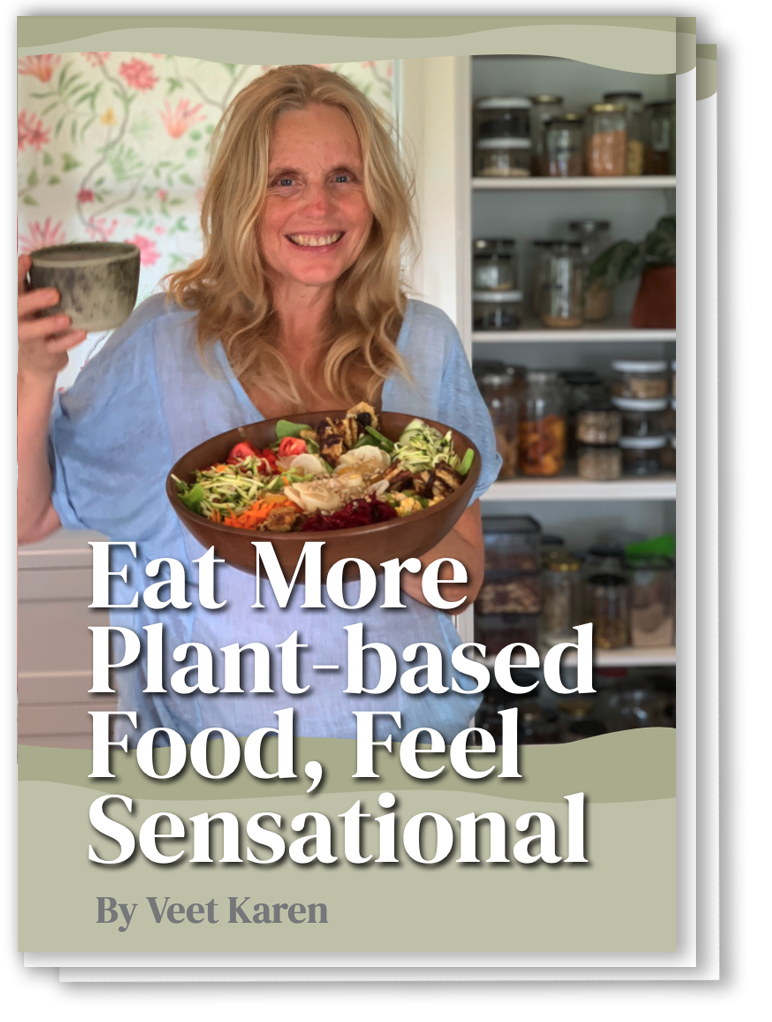
For my free ebook on how to Live a sensational life on a plant based diet
Why eating the rainbow isn’t always healthy
Good example: white foods get unfairly dismissed as "nutritionally empty" because they lack colour, but plenty of white foods are packed with nutrients, cauliflower, garlic, onions, white beans, mushrooms, potatoes (skin-on), and parsnips all bring fibre, vitamin C, potassium, or antioxidant compounds that don't happen to be pigmented.
Flip side: red velvet cake is red, but the colour comes from food dye, not from any nutrient, no antioxidants, no fibre, none of the compounds that make red peppers or tomatoes valuable.
So colour is a decent proxy for certain plant compounds (like beta-carotene which we need for vision, skin health, immune system health, reproductive health and antioxidant activity in orange veg, anthocyanins in purple/blue foods), but it's not a rule. Some colourless foods are nutrient-dense, and some colourful foods are just colourful.
A truly healthy diet is built on variety, nutrient adequacy and whole foods, with the rainbow acting as a useful guide rather than the final goal.
"If you could only choose one nutrition principle, choose variety rather than colour. A diverse diet naturally creates a rainbow, but a rainbow doesn't always create a nutritionally complete diet."
My story, what I do
How the colours contribute
Colour | Key Nutrients/Compounds | Examples | Red | Lycopene, vitamin C | Tomatoes, watermelon, red capsicum
Orange/Yellow | Beta-carotene (vitamin A precursor), vitamin C | Carrots, pumpkin, sweet potato, mango
Green | Folate, vitamin K, magnesium, lutein | Spinach, kale, broccoli, peas
Blue/Purple | Anthocyanins, polyphenols | Blueberries, blackberries, purple cabbage
White/Brown | Potassium, selenium, sulfur compounds | Mushrooms, onions, garlic, cauliflower
Does eating a rainbow give you all nutrients?
No.
A rainbow of fruits and vegetables provides:
Fibre
Vitamin C
Folate
Vitamin K
Potassium
Magnesium
Thousands of phytochemicals
But it may be low in:
Vitamin B12
Vitamin D
Iodine
Calcium (depending on foods eaten) – inc
Iron
Selenium (in some regions)
Omega-3 fats (EPA and DHA)
Protein
What is more important than eating a rainbow?
For overall nutrition, a good hierarchy is:
1. Eat enough food
Without enough energy, nutrient deficiencies develop regardless of colour variety.
2. Eat a variety of whole foods
This is more important than colour alone:
Vegetables
Fruits
Legumes
Whole grains
Nuts and seeds
3. Meet essential nutrient needs
The body requires:
Protein (essential amino acids)
Essential fats (omega-3 and omega-6)
Vitamins
Minerals
Water
4. Then focus on colour diversity
Colour diversity helps maximise phytochemical intake and micronutrient variety.
The goal isn't colours, it is nutrient diversity. Colours are simply a visual shortcut that often helps people achieve it.
Eating the Rainbow: What Nutrients Each Colour Contributes
Colour | Key Nutrients | Red | Vitamin C, folate (B9), potassium, lycopene
Orange/Yellow | Beta-carotene (provitamin A), vitamin C, vitamin B6, folate (B9), potassium
Green | Folate (B9), vitamin K, vitamin C, magnesium, potassium, riboflavin (B2)
Blue/Purple | Vitamin C, vitamin K, manganese, anthocyanins, polyphenols
White/Brown | Potassium, selenium, sulfur compounds, niacin (B3), small amounts of other B vitamins
B Vitamins Found in Rainbow Foods
B1 (Thiamin) – legumes, peas, whole grains
B2 (Riboflavin) – spinach, mushrooms, almonds
B3 (Niacin) – mushrooms, potatoes, legumes
B5 (Pantothenic acid) – most vegetable mushrooms, avocado, sweet potato
B6 (Pyridoxine) – bananas, potatoes, capsicum
B7 (Biotin) – nuts, seeds, sweet potato
B9 (Folate) – leafy greens, asparagus, legumes, citrus fruits
Nutrients a Rainbow Diet May Be Low In
Even if you eat every colour every day, you may still not get enough:
Nutrient | Why It May Be Low | Vitamin B12 | Found naturally almost exclusively in animal foods or fortified foods
Vitamin D | Very few foods contain significant amounts- mushrooms when they are tanned and also fortified nutritional yeast
Iodine | Depends on iodised salt, seaweed, dairy, seafood, or fortified foods
Calcium | Fruits and vegetables alone may not provide enough
Iron | Plant foods contain non-haem iron, which is less readily absorbed but eaten with vitamin c rich foo
Zinc | Plant sources contain phytates that reduce absorption
Selenium | Depends heavily on soil content
Omega-3 (EPA & DHA) | Primarily found in algae
Protein | Can be low if legumes, nuts, seeds, and whole grains are not included
Different coloured plant foods contain different phytochemicals, vitamins, and minerals. By eating a variety of colours, you increase the range of nutrients and beneficial compounds you consume.
Eating the rainbow provides fibre, vitamin C, folate, vitamin K, potassium, magnesium and thousands of beneficial phytochemicals. It also contributes several B vitamins, particularly folate, B6, niacin and riboflavin.
However, a rainbow of fruits and vegetables alone may still be low in vitamin B12, vitamin D, iodine, calcium, iron, zinc, selenium, omega-3 fats and sometimes protein.
That's why eating the rainbow is an excellent strategy for nutrient diversity, but it is only one part of a nutritionally complete diet.
Recipe
Chickpeas and red rice warm salad
Chickpeas freshly cooked with rosemary
Red rice cooked
Sweet potato baked in the oven
Steamed broccoli and kale
Yellow and red capsicum sauce
Roasted 1 yellow and red capsicum sauce
¼ cup soaked and roasted almonds
¼ cup water
2 tbsp balsamic vinegar
Salt and pepper to taste
Garnish
Sunflower and pepita seeds toasted
For the sauce blend everything in a blender and assemble the veggies, rice and chickpeas in a bowl and pour on some dressing and sprinkle with seeds
Fun cooking tip
Freeze your beans.
Cook them using the bean cooking method and then freeze portions so next time you use them they are all ready – you just have to defrost them, which won’t take long at all
Hope you have a fabulous week and try to start eating more plates of highly nourishing food that can be seen as the rainbow.
With gratitude Veet